
Fungus (1-3)-β-D-Glucan Test (G-test / BDG)
Serum (1-3)-β-D-glucan biomarker for IFI work-up
A quantitative kinetic-turbidimetric (1-3)-β-D-glucan serum assay from Era Biology, intended as an adjunct biomarker to support the diagnostic work-up of invasive fungal infection.
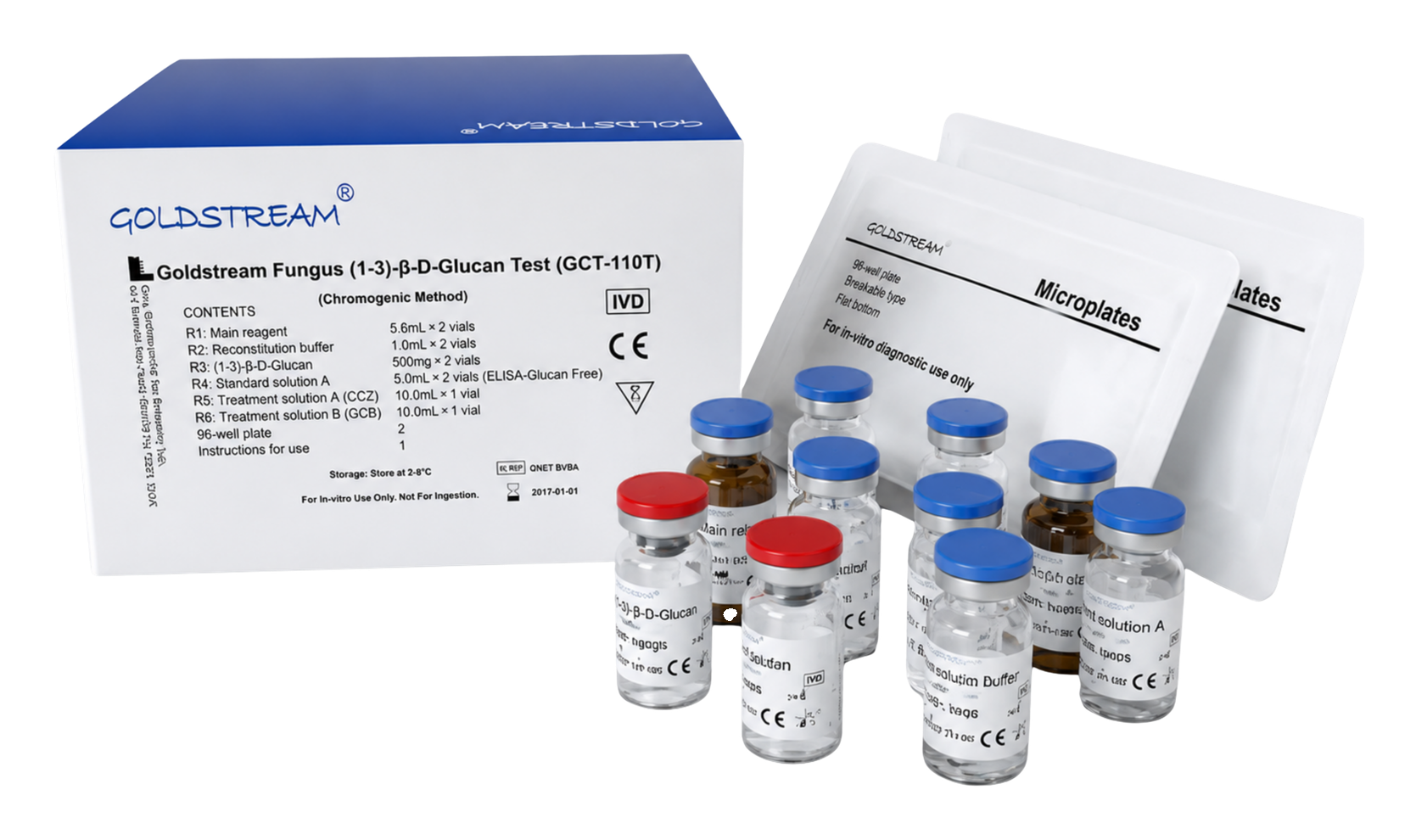
The Fungus (1-3)-β-D-Glucan Test, commonly called the G-test or BDG assay, measures (1-3)-β-D-glucan, a cell-wall component present in many clinically important fungi. As a broad-spectrum serum biomarker, it gives laboratories a marker that can support the diagnostic work-up of invasive fungal infection (IFI) as an adjunct to culture and clinical assessment. BDG does not detect all fungal species—notably it is not reliable for Cryptococcus or the Mucorales—so results are interpreted alongside other findings rather than in isolation.
Built on a kinetic turbidimetric method and read on Era Biology's IGL kinetic tube readers, the assay delivers quantitative, reproducible results with a streamlined workflow. Quantitative readouts can be trended over serial samples to help clinicians and microbiologists follow a patient's BDG levels over the course of evaluation and management.
Era Biology brings established domain expertise to this assay, having contributed to the drafting of China's industry standard for the (1-3)-β-D-glucan test in 2017. Distributed in India by Biostate DX, the G-test extends a portfolio of IVD reagents aimed at making infection diagnostics more accessible across the Indian healthcare ecosystem.
- Broad-spectrum serum biomarker covering many clinically relevant fungi, used as an adjunct to culture and clinical evaluation
- Quantitative result supports serial trending of BDG levels rather than a positive/negative call alone
- Kinetic turbidimetric method designed for reproducible, quantitative results
- Intended to support the diagnostic work-up of invasive fungal infection alongside conventional methods
- Runs on Era Biology IGL kinetic tube readers for a streamlined laboratory workflow
- Simple, easy-to-use protocol that fits into routine laboratory operations
- Backed by Era Biology, which contributed to drafting China's industry standard for the BDG test in 2017
At a glance
- Analyte / biomarker
- (1-3)-β-D-glucan (BDG), broad-spectrum fungal serum marker
- Test method
- Kinetic turbidimetric assay
- Result type
- Quantitative
- Sample type
- Serum
- Instrument compatibility
- Era Biology IGL kinetic tube readers
- Intended use
- Adjunct biomarker to support the diagnostic work-up of invasive fungal infection (IFI)
- Coverage note
- Detects many fungi; not reliable for Cryptococcus or Mucorales
- Principal / brand
- Era Biology
Specifications are indicative and provided for general guidance. Exact configurations, claims and regulatory status vary by model and region — contact us for the current datasheet.
You may also need
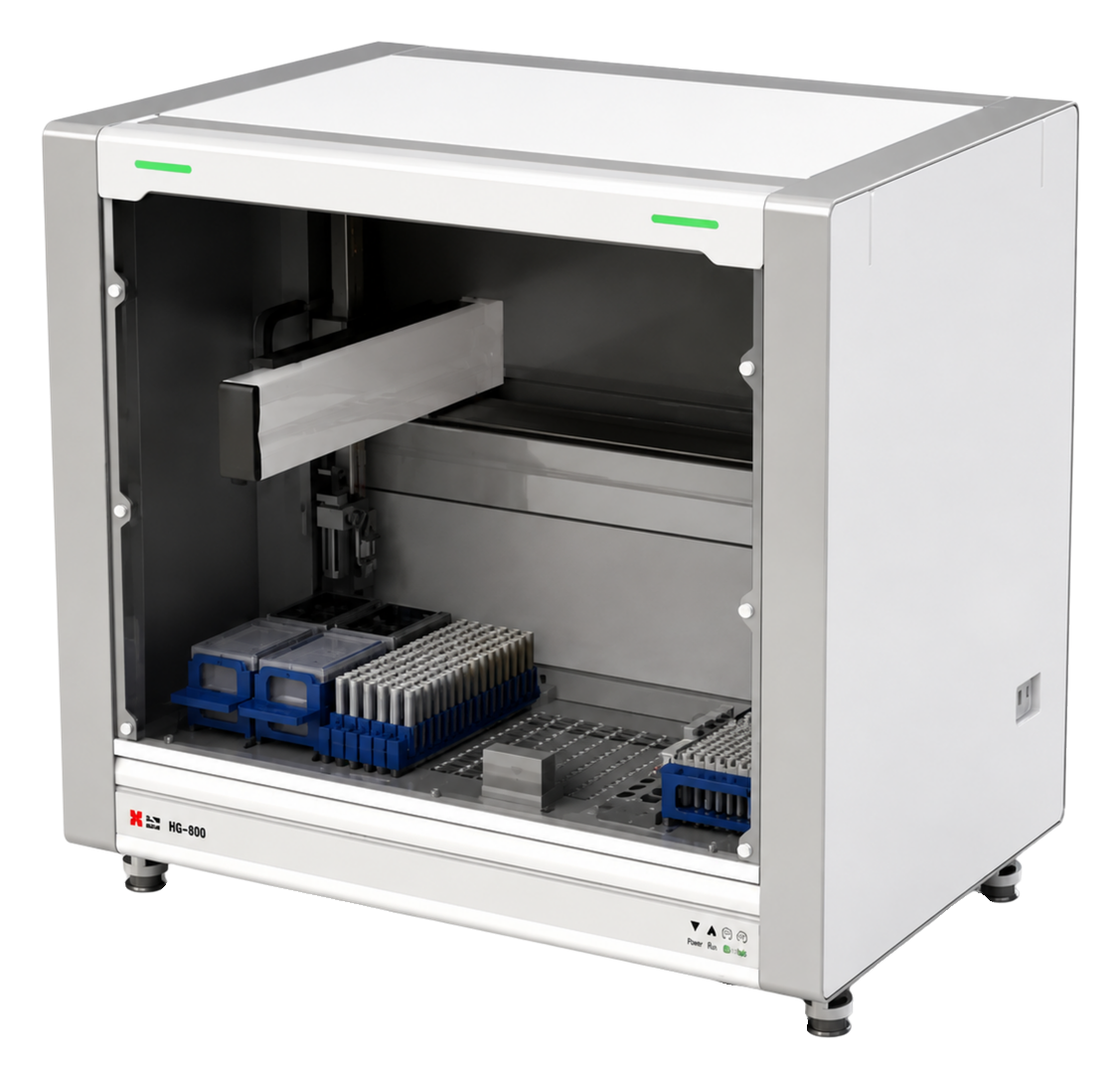
Fully Automatic Kinetic Tube Reader (IGL-800)
Automated kinetic reading for glucan and endotoxin assays
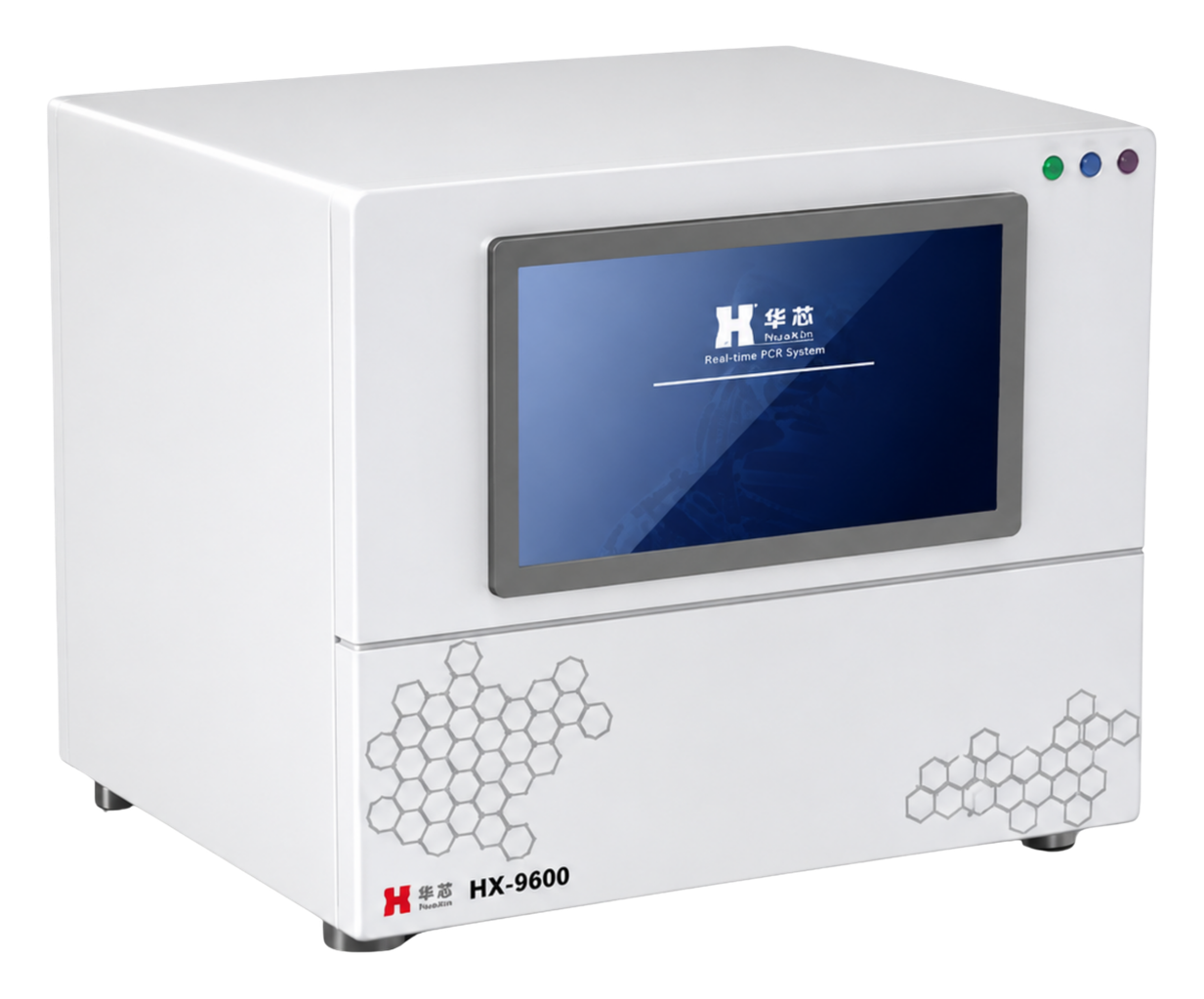
Fully Automatic Kinetic Tube Reader (IGL-200)
Compact kinetic turbidimetry for focused labs
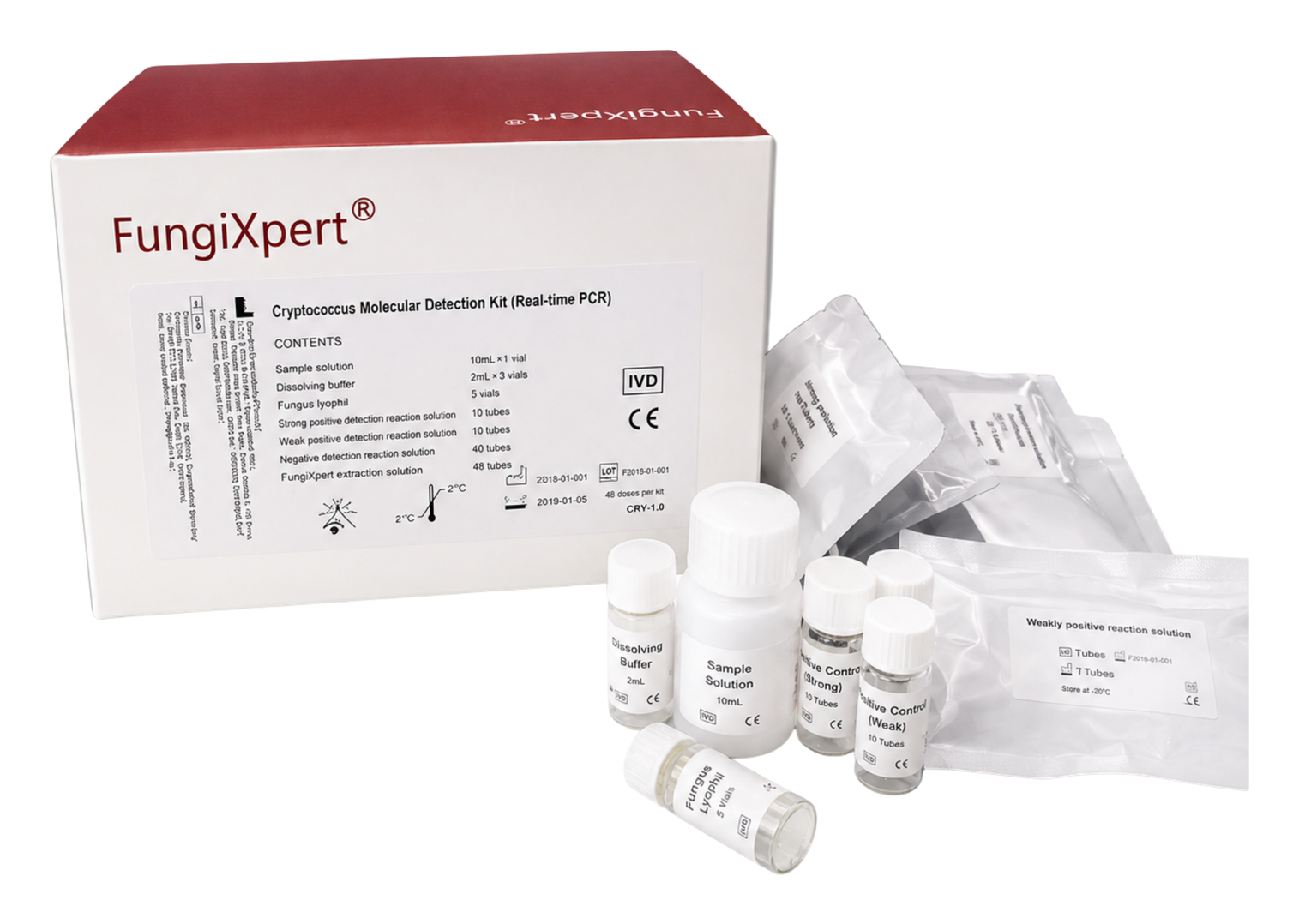
Mucorales Molecular Detection Kit
Molecular detection to support mucormycosis workup
Interested in Fungus (1-3)-β-D-Glucan Test (G-test / BDG)?
Request pricing, a datasheet or a hands-on demonstration. Our specialists will tailor a recommendation to your laboratory's workflow and volumes.